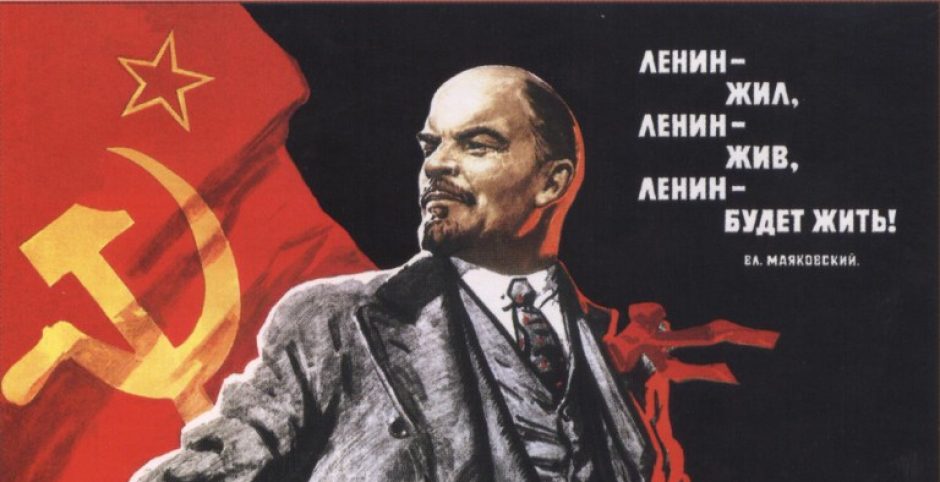
In her analysis of the Soviet novel and the meaning of Soviet realism, Katerina Clark argues that the canon of works that served as models for Soviet realism and the notion of their significance were created after the fact, a constructed literary tradition. She goes on to explore the paradox of Soviet realism, the “fatal split” that makes many critics uncomfortable due to the tensions between realist style and myth building simultaneously being championed in these canonized texts. Clark explains, “One can reduce most of these oppositions to a single dichotomy and characterize the novel’s “fatal split” in terms of mode: the novel depicts “what is” (i.e., it uses the realist mode)/ the novel depicts “what ought to be” (i.e., it idealizes reality, the utopian or mythic mode). This particular dichotomy is not some misguided trend that emerged in the course of literary practice; it was actually built into the definition of what was to be distinctive in Soviet Socialist Realism. It is especially apparent in the instructions Zhdanov gave writers in 1934 (to show “a combination of the most matter-of-fact, everyday reality, and the most heroic prospects”)” (Clark, 37).
In addition to being forced to closely adhere to Party ideology and serve as a utopian model for what society was and should be like in a glorious future, Soviet realism was repeatedly referred to as the greatest and most advanced literature of all time in Zhdanov’s speech. What does it mean, artistically and politically, for the best art, the most utopian and influential art, to fit inside a formula that encourages replication and the awkward bridging of what currently is and what ought to be?
Warning: Attempt to read property "comment_ID" on null in /home/theleahg/russianrevolutionss17-2.theleahgoldman.com/wp-content/plugins/subscribe-to-comments/subscribe-to-comments.php on line 81
Warning: Attempt to read property "comment_ID" on null in /home/theleahg/russianrevolutionss17-2.theleahgoldman.com/wp-content/plugins/subscribe-to-comments/subscribe-to-comments.php on line 81
Warning: Attempt to read property "comment_ID" on null in /home/theleahg/russianrevolutionss17-2.theleahgoldman.com/wp-content/plugins/subscribe-to-comments/subscribe-to-comments.php on line 81
Warning: Attempt to read property "comment_ID" on null in /home/theleahg/russianrevolutionss17-2.theleahgoldman.com/wp-content/plugins/subscribe-to-comments/subscribe-to-comments.php on line 81
Warning: Attempt to read property "comment_ID" on null in /home/theleahg/russianrevolutionss17-2.theleahgoldman.com/wp-content/plugins/subscribe-to-comments/subscribe-to-comments.php on line 81
